My Blog List

Friday, November 14, 2025

Akinbowale Isaac Adewumi — Comprehensive Book Notes

Comprehensive Notes on Akinbowale Isaac Adewumi's Books

Notes on each title, reader benefits, and the spiritual advantages of engaging with Christian literature.

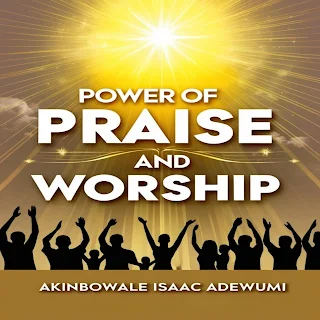
1. Power of Praise and Worship

Synopsis: This book delves into the significance of praise and worship in the Christian faith—its biblical basis, forms, and transformative impact on the believer's relationship with God.

  • Spiritual Benefits: Increased intimacy with God; greater spiritual strength; deeper understanding of worship's role in growth.
  • Practicals: How to cultivate a heart of worship and create an atmosphere for God's presence.

2. Divine Healing and Health

Synopsis: Explores biblical principles of healing and the role of faith and prayer in physical and emotional well-being.

  • Reader Benefits: Scriptural basis for healing; faith-led steps to approach God for healing.
  • Spiritual Benefits: Increased faith in God's healing power; holistic approach to health.

3. Weeds Among the Wheat

Synopsis: Examines the coexistence of good and evil within the church and offers guidance on discernment and spiritual growth.

  • Reader Benefits: Understanding spiritual warfare; strategies for resilience and discernment.
  • Spiritual Benefits: Increased discernment, spiritual maturity, and steadfastness in righteousness.

4. Christ-Centred Parenting

Synopsis: Biblical principles for raising children with Christ at the center of family life.

  • Reader Benefits: Practical parenting advice and faith-based strategies.
  • Spiritual Benefits: Stronger family bonds; increased spiritual influence in children's lives.

5. Prepare to Meet Your Lord

Synopsis: Encourages readiness for Christ's return and highlights spiritual vigilance and holiness.

  • Reader Benefits: Urgency and purpose; life-examination in light of eternity.
  • Spiritual Benefits: Greater desire for holiness and eternal perspective.

6. Church in the House

Synopsis: Explores house-based fellowships and the revival of early Christian practices within homes.

  • Reader Benefits: Insights into small-group dynamics and community building.
  • Spiritual Benefits: Deeper connections, accountability, and belonging.

7. Remembering Your First Love

Synopsis: Calls believers to rekindle initial passion for Christ and address spiritual complacency.

  • Reader Benefits: Inspiration to examine and renew one's relationship with God.
  • Spiritual Benefits: Renewed zeal and deeper intimacy with Christ.

8. Discovering Your God-Given Potentials

Synopsis: Helps readers identify spiritual gifts and fulfill divine purpose through practical guidance.

  • Reader Benefits: Identify and develop unique talents; pursue God-given mission.
  • Spiritual Benefits: Empowerment and clarity of calling.

9. Religious or Righteousness?

Synopsis: Contrasts outward religion with true righteousness and inward transformation.

  • Reader Benefits: Examine motives and pursue authentic faith.
  • Spiritual Benefits: Humility and deeper desire to please God.

10. The Yoke Shall Be Destroyed

Synopsis: Examines spiritual bondage and Christ's power to break every yoke.

  • Reader Benefits: Hope and tools for overcoming spiritual obstacles.
  • Spiritual Benefits: Increased freedom, faith, and hope.

11. Remember Lot's Wife

Synopsis: Uses the account of Lot's wife as a cautionary lesson about looking back and disobedience.

  • Reader Benefits: Encouragement to press forward and let go of the past.
  • Spiritual Benefits: Greater resilience and forward-looking faith.

12. Our God - A Consuming Fire

Synopsis: Explores God's holiness and justice, portraying Him as a consuming fire and calling believers to reverence and obedience.

  • Reader Benefits: Deeper reverence for God and a call to holiness.
  • Spiritual Benefits: Increased humility and spiritual sensitivity.

13. Called to Be a Soldier

Synopsis: Portrays the Christian life as a battlefield and urges believers to embrace spiritual discipline and courage.

  • Reader Benefits: Encouragement for discipline, perseverance, and spiritual readiness.
  • Spiritual Benefits: Increased resilience and commitment to the Christian walk.

14. Victorious Christian Living Essentials

Synopsis: Outlines core principles for living victoriously through faith, obedience, and God's promises.

  • Reader Benefits: Practical tools to overcome sin and temptation.
  • Spiritual Benefits: Increased confidence in God's power and spiritual growth.

15. Principles of Christian Marriage and Family Life

Synopsis: Biblical guidance for building Christ-centered marriages and families with practical solutions to common challenges.

  • Reader Benefits: Tools for communication, conflict resolution, and childrearing.
  • Spiritual Benefits: Stronger family relationships grounded in Scripture.

Synopsis: Delves into biblical prophecies and signs of Christ's return, helping readers prepare spiritually and practically.

  • Reader Benefits: Better understanding of eschatology and preparedness.
  • Spiritual Benefits: Increased alertness and desire for holiness.

17. Evangelization and Christian Development

Synopsis: Stresses the importance of soul-winning and ongoing discipleship to foster spiritual maturity within the church.

  • Reader Benefits: Practical guidance for evangelism and discipleship.
  • Spiritual Benefits: Healthy spiritual growth and preservation of moral integrity.

18. Satanic Attacks and the Way Out

Synopsis: Identifies ways Satan attacks believers and provides biblical strategies for deliverance and protection.

  • Reader Benefits: Recognition of enemy tactics and steps to resist them.
  • Spiritual Benefits: Greater protection, spiritual awareness, and reliance on God for deliverance.

19. Prevailing Prayers of Intercession and Supplication Guides

Synopsis: A practical handbook for intercessory prayer that strengthens the believer's prayer life and compassion for others.

  • Reader Benefits: Learn to pray powerful prayers for others.
  • Spiritual Benefits: Deeper communion with God and a sense of purpose in intercession.

20. Winning the Invisible War with Christ

Synopsis: Offers insight into spiritual warfare and practical means to walk in Christ's victory.

  • Reader Benefits: Understand and apply the armor of God.
  • Spiritual Benefits: Strengthened faith and confidence in Christ's victory over evil.

21. Satanic Attacks and the Way Out (Revised Edition)

Synopsis: Updated insights on spiritual warfare with expanded practical strategies for spiritual vigilance and deliverance.

  • Reader Benefits: Deeper, updated guidance on recognizing and resisting attacks.
  • Spiritual Benefits: Enhanced protection and practical application for maintaining freedom in Christ.

Spiritual Benefits of Growing Through the Bible and Christian Books

Reading scripture and complementary Christian literature fosters a deeper and more fruitful spiritual life. Key benefits include:

  • Deeper Relationship with God: Intimacy, insight into God's character, and clearer understanding of His purposes.
  • Spiritual Growth and Maturity: Tools for overcoming trials and growing in holiness.
  • Enhanced Discernment: Ability to distinguish truth from error and navigate life with scriptural wisdom.
  • Renewed Hope & Inspiration: Encouragement and renewed purpose when facing difficulties.
  • Transformation of Character: Becoming more like Christ through consistent study and application.
  • Stronger Fellowship: Building community through shared learning and discussion.
Disclaimer: This content was generated to organize and present information about Akinbowale Isaac Adewumi's books.

Created for Green Olives — Akinbowale Isaac Adewumi.  |  For edits, copy this file and save as index.html.

Thursday, October 23, 2025

A Parent's Guide to Building a Deep & Lasting Spiritual Foundation

Christian parenting is a sacred pilgrimage, a journey where we are entrusted with the profound task of nurturing our children’s spirits and guiding them towards a profound communion with the Almighty.
In a tapestry of sorts, Christ-Centered Parenting presents a comprehensive manual for parents committed to shepherding their offspring by nurturing their faithful hearts and guiding them along godly paths in the ways of the Lord Jesus Christ.
The children of today are the future leaders of tomorrow and it is within the loving embrace of their parents, particularly their mothers, that they find the most influential guidance to fulfil their God-given potentials. As a mother cradles her newborn child, she holds within her arms a precious soul, ripe with impressionable potential, awaiting her tender care to shape and mold them into adulthood.
Drawing deeply from the timeless reservoirs of Biblical wisdom, this tome offers not mere advice, but a wellspring of spiritual insight, practical strategies and divine precepts to assist parents in traversing the labyrinth of raising children amidst the complexities of today’s world. Discover the transformative power of Christ-centred parenting in this insightful guide that invites you to journey alongside your children as they grow in faith and character. Hinged on practical, scriptural insights, this book offers a roadmap for nurturing a deep and lasting spiritual foundation in your family.
From fostering open communication to establishing meaningful family worship practices, learn how to cultivate an atmosphere where Jesus is at the center of every aspect of your parenting journey. Whether you are navigating the challenges of discipline or celebrating moments of spiritual growth, this book equips you with the tools and encouragement you need to raise children who are grounded in God’s love and truth. From sowing seeds of love, compassion and righteousness to instilling the discipline of prayer, worship and service, each chapter serves as a beacon illuminating the path toward fostering a robust and vibrant faith in our children. Embrace the joy and fulfilment of Christ-centred parenting and witness the transformative impact it has on your family’s life.

Short & Impactful:

Raise Godly Kids: The Christ-Centred Way.
Transform Your Family. Anchor Their Faith.
Parent with Purpose: Christ at the Core.
Faith-First Parenting. Lasting Legacy.
Guiding Hearts. Godly Paths.

Benefit-Oriented:

Unlock Biblical Wisdom: Nurture Faithful Hearts That Last.
Beyond Discipline: Cultivate a Spirit-Led Family.
Stop Wishing, Start Raising: Your Roadmap to Christ-Centred Kids.
Build a Legacy of Faith: Your Guide to Godly Parenting.
Navigate Modern Parenting with Ancient Wisdom.

Intriguing/Question-Based:

Tired of Guesswork? Parent with Divine Guidance.
What if Your Parenting Could Transform Generations? Is Your Family Centred? Discover Christ-Centred Parenting.
Ready to Raise Kids Who Love God? Start Here.
The Missing Piece in Modern Parenting: Found.

Urgency/Call to Action:

Start Your Family's Spiritual Journey Today!
Elevate Your Parenting. Embrace Christ's Way.
Your Family's Future of Faith Begins Now.

Descriptive/Comprehensive:
▶ Watch the Video

Saturday, April 26, 2025

Hold Fast the Hope: Faint Not in the Day of Adversity

Beloved brethren, let us hearken diligently to the timeless exhortation breathed forth by the Spirit and echoed by the faithful throughout the generations: Lose not thy hope; forsake not thy confidence in the Lord. For as one of old did admonish in sacred song:
"Never give up to thy sorrow, Jesus will bid them depart; Trust in the Lord... Sing when thy trials are greatest; Trust in the Lord and take heart." Yet this is not counsel rooted merely in melody, but finds its sure foundation in the immutable Word of God.
Surely, the path of the just is paved with tribulation and affliction, for our Lord hath forewarned us, saying, "These things I have spoken unto you, that in me ye might have peace. In the world ye shall have tribulation: but be of good cheer; I have overcome the world" (John 16:33). Every hardship—be it bodily infirmity, spiritual distress, persecution for righteousness’ sake, or the burdens common to this mortal frame—falls not outside the providence of our Sovereign God. Yea, He hath not left us comfortless, but hath given us the Comforter and a sure Rock upon which to stand.
To faint in adversity revealeth a deficiency of spiritual might; it exposeth a heart not yet fortified with unwavering faith, enduring hope, and steadfast trust in the Lord. As it is written, "If thou faint in the day of adversity, thy strength is small" (Proverbs 24:10). This "strength" speaketh not of the flesh, but of the spirit—the inner man renewed day by day through the might of Christ.
How, then, shall we be upheld? The Word directeth our gaze: "Looking unto Jesus the author and finisher of our faith" (Hebrews 12:2). It is He alone who turneth our sorrow into singing and our mourning into joy. Even David, that sweet Psalmist of Israel, testified after his bitter weeping, "Thou hast turned for me my mourning into dancing: thou hast put off my sackcloth, and girded me with gladness" (Psalm 30:11).

Thus doth the Lord offer a divine exchange, according to His sure promise:
"To appoint unto them that mourn in Zion, to give unto them beauty for ashes, the oil of joy for mourning, the garment of praise for the spirit of heaviness" (Isaiah 61:3).
Take ye also to heart this enduring truth: though thy night seemeth long and the burden heavy, the morning of God’s deliverance is ordained. Yea, the darkest hour is but the herald of the dawn. For it is written, "For his anger endureth but a moment; in his favour is life: weeping may endure for a night, but joy cometh in the morning" (Psalm 30:5). Therefore, despair not, neither let thy heart be troubled.

Art thou, even now, treading the valley of the shadow of death, burdened beyond thy strength? Hearken to the blessed promise:
"For our light affliction, which is but for a moment, worketh for us a far more exceeding and eternal weight of glory; While we look not at the things which are seen, but at the things which are not seen: for the things which are seen are temporal; but the things which are not seen are eternal" (2 Corinthians 4:17-18).
Though sorrow pierce the heart like an arrow, it is but momentary compared to the eternal joys prepared for the faithful. Therefore, cleave unto hope—an anchor sure and stedfast, cast into the unchangeable promises of God and the finished work of Christ.
For "which hope we have as an anchor of the soul, both sure and stedfast, and which entereth into that within the veil" (Hebrews 6:19).
Let this charge be written upon the tables of thy heart: faint not, yield not, despair not. Thy trial shall give place to triumph; thy sorrow shall be turned to singing. Stand firm, beloved:
"Watch ye, stand fast in the faith, quit you like men, be strong" (1 Corinthians 16:13).
Be thou rooted and grounded in Christ’s love, knowing assuredly, "And we know that all things work together for good to them that love God, to them who are the called according to his purpose" (Romans 8:28). Hold fast, O soul, for faithful is He that promised; He shall surely bring it to pass.

Tuesday, April 8, 2025

Green Olives - Christian Books and Inspiration

DECLARE TO THE ADVERSARY:"I AM NOT FINISHED YET."

The cry of the heart in Micah 7:8, "Rejoice not against me, O mine enemy: when I fall, I shall arise; when I sit in darkness, the LORD shall be a light unto me," is not merely a statement of human defiance, but a profound declaration of faith anchored in the unchanging character and sovereign power of God. It speaks volumes to the soul facing opposition, setbacks, or the darkness of trial.

1. The Nature of the "Enemy" and True Rejoicing: Biblically, our struggle is not merely against flesh and blood, or temporal "haters," but against spiritual forces and the fallen nature within and around us (Ephesians 6:12). The "enemy" rejoices when we stumble, seeking to instill despair and doubt in God's goodness. However, our response is not rooted in matching their negativity, but in turning our gaze upward. We don't engage on their terms of bitterness or rivalry. Instead, our confidence rests in the Lord's ultimate victory and His unwavering presence.
2. The Certainty of Resurrection from Falls: "When I fall, I shall arise." This echoes the truth that for the righteous, a fall is never final (Proverbs 24:16). It's not if we stumble, but when. Yet, the promise isn't based on our own strength to get up, but on the resurrecting power of God who lifts the fallen. This points to Christ Himself, who fell under the weight of the cross but arose in ultimate victory. Our arising is empowered by His Spirit dwelling within us (Romans 8:11). We may be pressed, but not crushed; perplexed, but not in despair; persecuted, but not abandoned; struck down, but not destroyed (2 Corinthians 4:8-9).
3. God as Light in Our Darkness: "When I sit in darkness, the LORD shall be a light unto me." Darkness represents confusion, sorrow, trial, sin, or the feeling of abandonment. Yet, even in the deepest darkness, where human hope fades, the believer has a steadfast source of illumination: the Lord Himself. He is the light that pierces all gloom (John 1:5), the guiding lamp unto our feet (Psalm 119:105). This isn't just optimism; it's the objective reality of God's presence being our sufficiency when all other lights go out. His presence is our light, revealing His faithfulness and the path forward, even when circumstances seem bleak.
4. The Declaration of Unfinished Purpose: Therefore, the declaration, "You ain't done," transforms from mere bravado into a statement of divine purpose. It means:
• "I may be down, but my identity is not in my circumstance, but in Christ." My position before God is secure, regardless of my present struggle.
• "Weakness is the very place God's strength is perfected." (2 Corinthians 12:9-10). Apparent weakness doesn't signal defeat but invites the infusion of His limitless power.
• "Woundedness can lead to deeper healing and testimony." Scars can become reminders of God's faithfulness and conduits of His grace to others. Life persists as long as God ordains it (Psalm 139:16).
• "God specializes in resurrection and restoration." He brings life from death, beauty from ashes (Isaiah 61:3). What appears "decomposing" to the world is merely the fertile ground for God's miraculous work of crafting a future filled with His glory and purpose (Romans 8:28).
• "Present trials are temporary; God's redemptive dawn is coming." The "frosty foggy morning" of fear and uncertainty cannot ultimately prevail against the rising Son of Righteousness, who brings healing in His wings (Malachi 4:2). His light breaks through despair, bringing not just relief, but divine restoration and spiritual richness ("opulence").
5. Standing Firm in Grace, Not Aggression: Looking the "foe" (whether circumstance, spiritual opposition, or human antagonism) in the face is not about humanistic yelling, but about standing firm in the unshakeable truth of God's sovereignty and love. Our stance is one of faith, not fury.
• "I'm still standing" – because He upholds me (Psalm 37:24).
• "My muscles rippling" – spiritually, strengthened by His might (Ephesians 6:10).
• "My feet nimble" – shod with the preparation of the gospel of peace (Ephesians 6:15), ready to walk in His ways.
• "You ain't stopping me" – because God's purpose for my life will prevail (Proverbs 19:21).
6. Wielding Spiritual Weapons: The "fading punches of grace" isn't about attacking others, but about living in God's unmerited favor. Grace empowers us to forgive, to endure, to love, and to stand firm. These acts, empowered by the Spirit, are the spiritual weapons that confound the adversary (2 Corinthians 10:4). It's living out our faith with resilience and love that silences accusation and demonstrates God's power, pushing back the darkness. The enemy ultimately fails because his resources are finite and founded on lies, whereas our strength is infinite, drawn from the inexhaustible wellspring of God's grace and truth (John 8:32, 44).

Enduring Through Divine Enablement Take courage, not from within yourself, but from the One who has overcome the world (John 16:33). Even if you swing with what feels like fading strength, grace will give your blows divine force. The enemy's arrogance will be silenced, his schemes shattered, and his taunts turned to trembling. Why? Because God is on your side. And if God be for you, who can be against you? (Romans 8:31).
Therefore, take hold of His grace, which is always sufficient (2 Corinthians 12:9). You are not done because the Author and Finisher of your faith (Hebrews 12:2) is still working. His purpose for you endures, His power sustains you, and His light guides you. Stand firm, therefore, not in your own might, but in the mighty power of the Lord. Your story isn't over; His redemptive work continues. So rise up. Take courage. Take grace. The Author of your faith is not done writing. And neither are you. You are not finished. You're just being refitted—for greater glory.

Thursday, April 3, 2025

Green Olives - Christian Books and Inspiration

BACKSLIDING: A SPIRITUAL SICKNESS OF THE HEART

As rightly stated in Proverbs 14:14, the heart's involvement in backsliding is undeniable: "The backslider in heart will be filled with his own ways, but a good man will be satisfied from above." Backsliding is not merely a behavioral issue; it is a deep-seated heart condition, a turning away from the living God.

Defining and Describing the Sickness
1. Spiritual Decline (Hebrews 3:12): It is a gradual erosion of spiritual vitality, a weakening of one's connection with God.
2. Forsaking the Lord (Jeremiah 2:19): A deliberate or subtle turning away from God's presence and guidance.
3. Looking Back (Luke 9:62): Lingering on past sins or worldly desires, hindering forward spiritual progress.
4. Departing from the Living God (Hebrews 3:12-13): A separation from the life-giving source of spiritual strength.
5. Wandering Away from the Truth (James 5:19): Straying from the foundational truths of the Gospel.
6. Leaving the First Love (Revelation 2:4): Losing the initial fervor and passion for Christ.
7. Returning to Old Habits (Proverbs 26:11, 2 Peter 2:22): The imagery of the dog returning to its vomit and the washed pig wallowing in the mud powerfully illustrates the repulsive nature of returning to former sins.
8. Experiential Knowledge of God Lost: To know God and then to allow sin to separate one from that relationship is a deep tragedy.

The Etiology of the Sickness (Causes)
1. Neglect of Prayer: Cutting off the vital communication line with God.
2. Neglect of Bible Study: Starving the soul of spiritual nourishment.
3. Lack of Fellowship: Isolating oneself from the body of Christ, where mutual support and accountability are found.
4. Yielding to Sin: Giving in to temptations, allowing sin to gain a foothold.
5. Worldly Distractions: Allowing the allure of the world to overshadow spiritual priorities.

The Symptomatology of the Sickness (Symptoms)
1. Loss of Conviction: A weakening of the inner voice that guides toward righteousness.
2. Loss of Zeal: A diminishing passion for spiritual things.
3. Discouragement and Doubt: A creeping sense of hopelessness and uncertainty.
4. Loss of Confidence in God: A wavering trust in God's promises.
5. Loss of Interest in Quiet Time: A neglect of personal communion with God.
6. Indifference to Evangelism: A waning desire to share the Gospel.
7. Decreased Fellowship: A reduction in church attendance and interaction with believers.
8. Indulging in Unchristian Behaviors: Actions that contradict biblical principles.

The Therapeutic Intervention (Cure)
1. Repentance (Jeremiah 14:7): A sincere turning away from sin and toward God.
2. Returning to God (Psalm 25:11): A conscious decision to seek God's presence and restoration.
3. Renewed Commitment: A fresh dedication to following Christ.
4. Renewed Focus on Spiritual Discipline: Re-establishing practices like prayer, Bible study, and fellowship.

The Prognosis (Can Backsliding Be Healed?)
Absolutely! The scriptures provide unwavering hope:
• Jeremiah 3:22: "Return, you backsliding children, and I will heal your backslidings."
• Hosea 14:4: "I will heal their backsliding, I will love them freely, for my anger is turned away from him."
These verses demonstrate God's willingness and ability to restore those who have strayed.

The Dangers of Untreated Sickness (Consequences)
1. Sickness and Death: Spiritual decline can lead to emotional and even physical consequences.
2. Unanswered Prayers: Sin can create a barrier between us and God.
3. Loss of Peace, Joy, and Favor: Backsliding robs us of the blessings of a close relationship with God.
4. Loss of God's Presence and Security: A feeling of abandonment and vulnerability.
5. Loss of Victory: Defeat in spiritual battles.
6. Apostasy: The ultimate danger, a complete rejection of faith, leading to eternal separation from God.

A Prayer for Healing: "Father, in the name of Jesus, I lift up those who are struggling with backsliding. I pray for Your divine intervention, for Your healing touch to restore their hearts and renew their spirits. I ask that You would draw them back to Yourself, forgive their sins, and fill them with Your love and grace. May they experience a complete restoration, and may their lives reflect Your glory. In Jesus' name, Amen."

Sunday, March 30, 2025

The Law of Sowing and Reaping: A Divine Principle of Justice and Mercy

This principle, far from being a simple proverb, unveils a fundamental law of God's universe, a spiritual gravity that governs the consequences of our actions. At the core of God's divine order is the immutable principle of sowing and reaping, as declared in Galatians 6:7: "Be not deceived; God is not mocked: for whatsoever a man soweth, that shall he also reap." This principle transcends mere human concepts of karma; it is a divine ordinance reflecting the justice and righteousness of God. It affirms that our choices are seeds planted in the soil of life, each carrying inevitable consequences that align with God's moral and spiritual laws.

The Nature of Sowing: Actions as Seeds
Every deed, word, and thought is a seed sown into the spiritual and moral fabric of our existence. The nature of the seed determines the harvest:
• Seeds of Righteousness: Acts of kindness, truth, and integrity produce a harvest of blessings, favor, and divine peace. "He that soweth to the Spirit shall of the Spirit reap life everlasting" (Galatians 6:8).
• Seeds of Iniquity: Dishonesty, malice, and sin inevitably bring forth sorrow, destruction, and divine correction. Galtians 6:7-9 declares, "For he that soweth to his flesh shall of the flesh reap corruption; but he that soweth to the Spirit shall of the Spirit reap life everlasting. And let us not be weary in well doing: for in due season we shall reap, if we faint not."
• The Delayed Harvest: Just as a farmer does not see immediate results, the consequences of our actions may not manifest instantly, but they are certain. Ecclesiastes 3:1 reminds us, "To every thing there is a season, and a time to every purpose under the heaven."

God’s Omniscience and Judgment: The Unseen Witness
God, in His infinite wisdom, sees all things and ensures that justice prevails. Hebrews 4:13 affirms, "Neither is there any creature that is not manifest in his sight: but all things are naked and opened unto the eyes of him with whom we have to do."
• No Deeds are Hidden: Psalm 94:9 challenges us, "He that planted the ear, shall he not hear? he that formed the eye, shall he not see?" No sin or righteousness escapes His divine notice.
• The Book of Remembrance: Malachi 3:16 speaks of a record kept by God for those who fear Him. This is not to condemn but to uphold divine justice and reward faithfulness.
• The Balance of Judgment and Mercy: James 2:13 warns, "For he shall have judgment without mercy, that hath shewed no mercy; and mercy rejoiceth against judgment." Those who extend mercy will themselves receive mercy.

Biblical Examples: Divine Justice in Action
The Bible provides numerous accounts that exemplify this law:
• Adoni-bezek’s Retribution (Judges 1:6-7): Having cruelly maimed seventy kings, he met the same fate, acknowledging, "As I have done, so God hath requited me."
• King Agag’s Demise (1 Samuel 15:33): Samuel declared, "As thy sword hath made women childless, so shall thy mother be childless among women." His own actions determined his fate.
• The Mosaic Law (Leviticus 24:19-20): "As he hath done, so shall it be done to him." The principle of equivalent justice is deeply embedded in God’s law.

Cultivating a Harvest of Righteousness
Rather than living in fear of negative consequences, we are called to embrace this principle as a path to transformation and divine favor:
• Turning from Evil to Good (Psalm 34:14): "Depart from evil, and do good; seek peace, and pursue it." This is the essence of intentional spiritual growth.
• Extending Mercy: Forgiveness and grace open the door for us to receive God’s mercy in our own lives.
• Pursuing Peace: True peace requires effort, humility, and a heart committed to reconciliation (Romans 12:18).

Practical Application: Living with Awareness and Integrity
Understanding this principle should lead to conscious, faith-filled living:
• Self-Examination: Regularly evaluate your choices and their potential consequences. "What seeds am I sowing today?"
• Repentance and Renewal: If we recognize that we have sown wrongly, true repentance allows for a new beginning through God’s grace (1 John 1:9).
• Purposeful Acts of Kindness: Sowing goodness and compassion aligns us with God’s will and secures a righteous harvest.
• Integrity in All Things: Living transparently before God ensures His guidance and blessing upon our lives.

A Clarion Call to Righteous Living: The law of sowing and reaping is an eternal truth woven into the fabric of God’s creation. It calls us to live with wisdom, integrity, and responsibility, knowing that every choice we make shapes our destiny. May we sow seeds of righteousness, that we may reap a harvest of divine favor and eternal reward.

Saturday, March 22, 2025

Understanding Financial Stress Through a Biblical Lens

Financial stress is a common challenge, often arising from the tension between our desires and available resources. The Bible acknowledges the role of money in daily life, as Ecclesiastes 10:19 states, "Money answers everything." However, this verse does not imply that wealth is the ultimate solution to life's problems. True peace and security come from trusting in God, not in material riches (Matthew 6:19-21). As believers, we must align our financial habits with biblical principles to experience financial freedom and divine provision.

Biblical Principles for Financial Stewardship
Diligent Earning Diligent earning is a key biblical principle for financial stewardship. Scripture encourages honest labor, responsibility, and productivity as ways to honor God and provide for ourselves and others. Diligent earning reflects faithfulness, stewardship, and trust in God’s provision, laying a foundation for wise financial management. Key aspects include:
• Work as a Gift and Responsibility: Ephesians 4:28 instructs believers to engage in honest labor, not just for personal gain, but to share with those in need. Work is a divine mandate, providing dignity and purpose.
• Live a Quiet, Industrious Life: 1 Thessalonians 4:11 encourages a disciplined lifestyle, focusing on productive work rather than dependency.
• Avoiding Idleness: 2 Thessalonians 3:10 reminds us, "If anyone will not work, neither shall he eat." Laziness contradicts God's design for provision and responsibility.
• God's Provision: While emphasizing hard work, it's also recognized that God is the ultimate provider, and our labor is a part of His plan.

Biblical principles regarding wise spending emphasize responsible management of resources, focusing on needs over wants. Here's a brief description.
• Budgeting and Planning: Jesus teaches the importance of financial planning in Luke 14:28-30, where He illustrates the wisdom of counting the cost before undertaking a project. Wise spending involves careful planning and budgeting, ensuring that resources are allocated thoughtfully. This promotes foresight and prevents impulsive spending.
• Avoid Wastefulness: Proverbs 21:20 highlights the wisdom of restraint, "The wise store up choice food and olive oil, but fools gulp theirs down." The Bible discourages wastefulness, promoting responsible use of resources. This reflects good stewardship of God's provisions.
• Live Within Means: Practicing financial discipline ensures that resources are allocated wisely without unnecessary indulgence.A key principle is cultivating contentment, avoiding the pursuit of excessive material possessions. This emphasizes gratitude for what one has.Moreover, the Scripture encourages prioritizing essential needs over frivolous desires. This involves discerning between necessities and luxuries.

On Prudent Saving - Biblical principles on prudent saving encourage setting aside resources for future needs and unforeseen circumstances, emphasizing foresight and responsibility. Key aspects include:
Foresight and Planning: The Bible acknowledges the importance of preparing for future needs, highlighting the wisdom of saving for potential hardships.
• Learn from the Ants: Proverbs 6:6-8 advises observing the diligence of ants, which store up food for future needs. This principle teaches the importance of preparing for the unexpected.
• Balance Between Saving and Generosity: Prudent saving involves finding a balance between responsible saving and generous giving, avoiding both excessive frugality and reckless spending. While saving is prudent, hoarding wealth without generosity contradicts biblical teachings (Luke 12:16-21). In short, biblical prudent saving promotes responsible planning for the future, while maintaining a heart of generosity and acknowledging God as the ultimate provider.

Avoiding Debt - Biblical principles on avoiding debt strongly advise against unnecessary borrowing, highlighting its potential for bondage and stress. Key points include:
• Debt Can Be Enslaving: Proverbs 22:7 warns, "The rich rules over the poor, and the borrower is the slave of the lender." Debt can create bondage, limiting financial freedom. This portrays debt as a form of slavery, where the borrower becomes dependent on the lender.
• Borrow with Caution: If borrowing is necessary, it should be done responsibly, with a focus on assets that appreciate in value rather than liabilities that drain resources. Borrowing, especially with high interest rates, is seen as a risky financial practice that can lead to hardship. If borrowing is unavoidable, it should be done with extreme caution, and for assets that will appreciate, not for liabilities

Tithing and Generosity - Biblical principles on tithing and generosity emphasize giving as an act of worship and a demonstration of trust in God's provision. Key aspects include:
• Tithing as Worship and Trust: Malachi 3:8-12 reminds us that withholding tithes is akin to robbing God. Tithing is an act of faith, acknowledging God as the ultimate provider. Tithing is presented as a way to honor God by acknowledging His ownership of all things and returning a portion of His blessings.
• Blessings of Giving: Luke 6:38 states, "Give, and it will be given to you..." Generosity aligns with God's principle of sowing and reaping (2 Corinthians 9:6-15). The Scriptures emphasizes that giving generously often leads to receiving blessings, both materially and spiritually.
• Stewardship Mindset: Recognizing that all we have belongs to God helps us manage finances with wisdom and accountability.Generosity goes beyond tithing, reflecting a heart that is willing to share resources with those in need. Hence, this principles on tithing and generosity encourage a mindset of giving, recognizing God as the source of all blessings and sharing those blessings with others.

.Practical Wisdom for Overcoming Financial Stress
• Develop a Long-Term Vision: Avoid chasing fleeting riches and focus on sustainable financial growth.
• Create a Realistic Budget: Prioritize essential needs over unnecessary wants.
• Establish a Consistent Savings Plan: Even small, disciplined savings can create long-term stability.
• Minimize Debt: Strive to live debt-free, and if borrowing is unavoidable, approach it responsibly.
• Maintain a Godly Perspective: True security comes from God, not wealth. Trusting in His provision brings peace beyond material riches.
• Give Generously: Prioritize giving as an act of worship and faith in God's abundance.
• Seek Divine Guidance: Always seek God's wisdom before making financial decisions (James 1:5).

Prayer for Financial Wisdom: Heavenly Father, I acknowledge that You are the source of all provision. Grant me the wisdom to manage my finances according to Your principles. Help me to be a diligent worker, a wise spender, and a generous giver. Protect me from the snare of debt, and guide me in building a secure financial foundation. May my finances be used to honor You and bless others. In Jesus' name, Amen.
By embracing biblical wisdom and practical financial principles, we can overcome financial stress and experience the peace that comes from trusting in God's provision.

Akinbowale Isaac Adewumi — Comprehensive Book Notes Comprehensive Notes on Akinbowale Isaac Adewumi's...